
















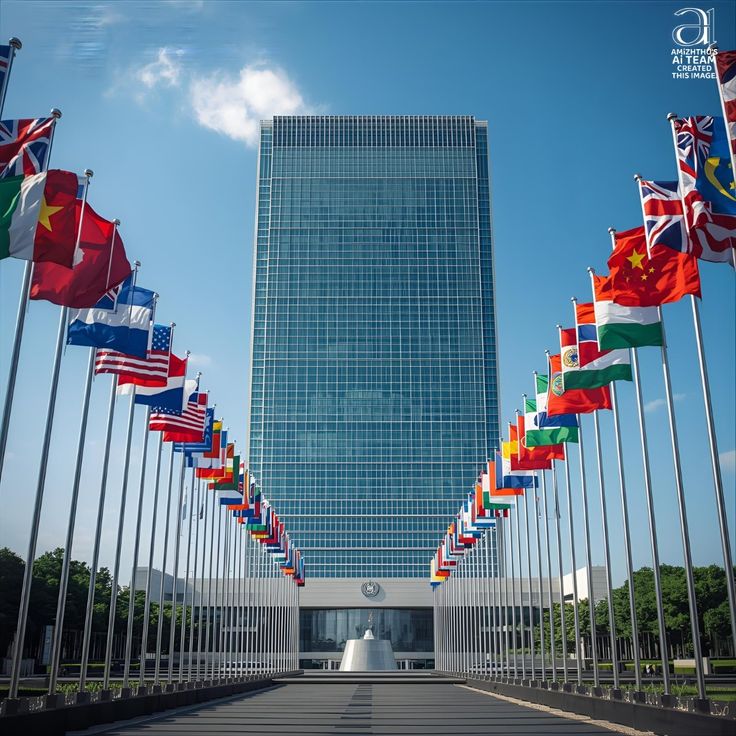
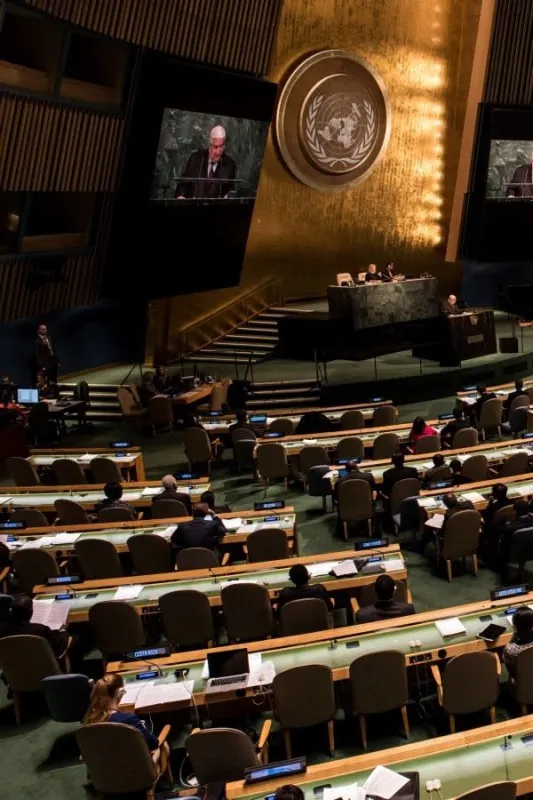
Institutional statement by the Executive President of the World Development Association at the 81st session of the United Nations General Assembly
Ensuring global commitments are fulfilled
The World Development Association welcomes the convening of the 81st session of the United Nations General Assembly and expresses its support for efforts to restore trust, strengthen international cooperation and deliver results that benefit everyone.
Commitments made at the international level open up prospects that extend beyond national borders. They guide public policy, organise cooperation and can mobilise resources that are crucial to the future of societies. Their impact, however, depends on what happens after they are adopted: the resources committed, the responsibilities assumed and the changes that are actually made possible.
The World Development Association calls for greater continuity between international commitments, the resources mobilised and their effective implementation for the benefit of peoples and communities.
The theme of this session, ‘Restoring trust, managing transformation: a United Nations for all’, places this responsibility at the heart of international debate. It calls for an examination of the conditions under which cooperation can meet the expectations of the contemporary world.
For the WDA, trust in the multilateral system depends in particular on its ability to enable collective action where national efforts remain insufficient. It is based on the predictability of commitments, the fairness of rules and the opportunity for every people to find, through international cooperation, support for their own development.
The United Nations plays a vital role in this endeavour. It provides a framework for dialogue between States, supports the search for common solutions and, through its various institutions, contributes to the protection of people and to development. These functions must be safeguarded. Their importance also makes it necessary to examine the obstacles that limit their effective exercise.
The existence of an international agreement does not guarantee its implementation. A priority may be recognised without being allocated the necessary resources. Funding may be announced without becoming accessible to the relevant stakeholders. A programme may be launched without local institutions having the capacity to carry it forward.
It is in these gaps between decisions, resources and action that major commitments lose some of their impact.
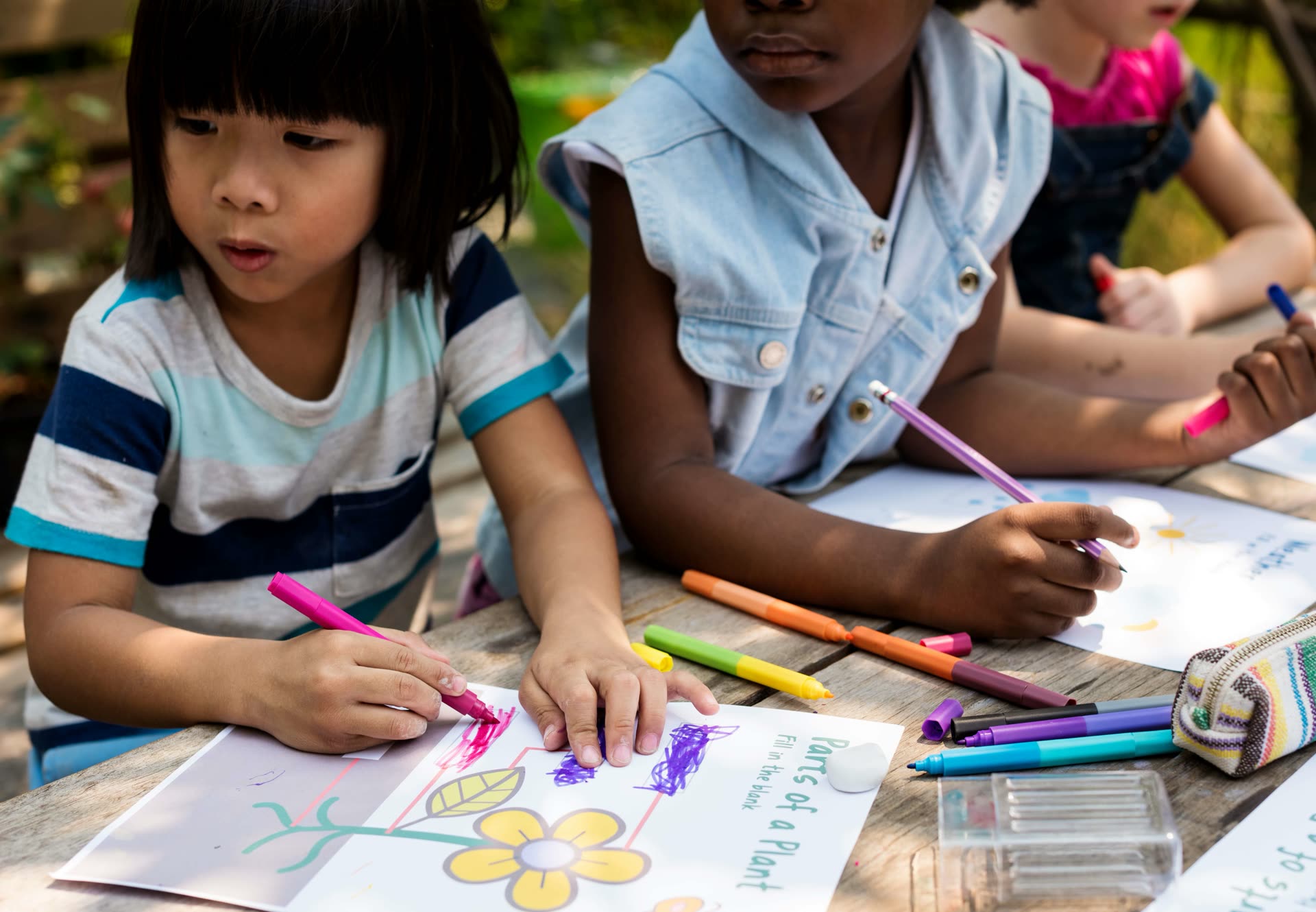
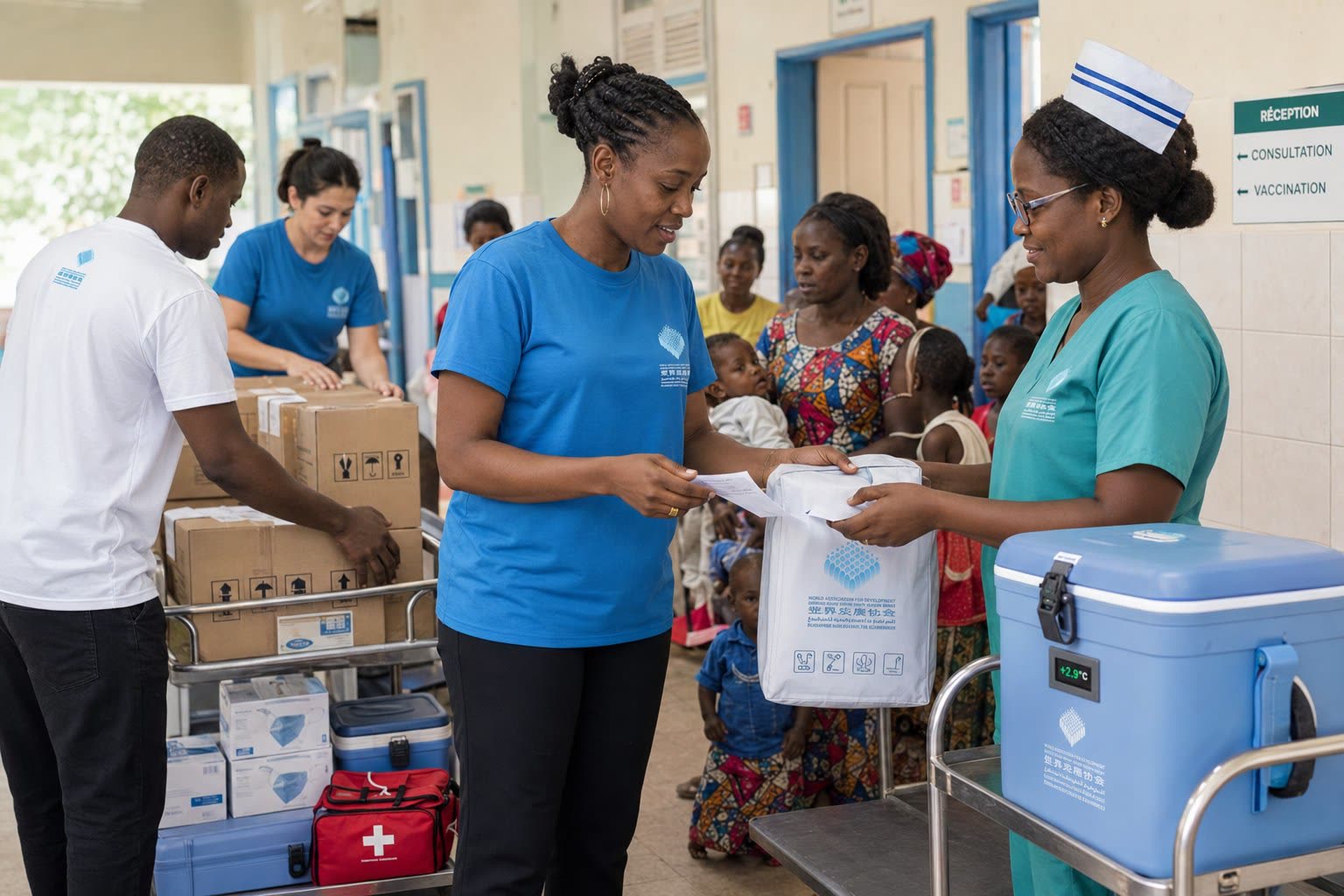
The consequences are evident in very concrete areas. An education policy can only have a lasting impact if schools are functioning, if teachers are trained and if pupils are able to continue their education. Healthcare infrastructure requires staff, equipment and a regular supply of resources. An economic empowerment programme must enable women to gain effective access to the necessary skills, resources and opportunities.
These realities lead the AMD to advocate an approach to development that prioritises the continuity of services, the strength of institutions and the capacity of communities to participate in the changes that affect them. They require that international commitments be designed with the conditions for their implementation in mind.
The commemoration of the fortieth anniversary of the United Nations Declaration on the Right to Development lends this session particular significance. It serves as a reminder that development is a right for every individual and for all peoples: the right to participate in, contribute to and benefit from economic, social, cultural and political development.
Recognition of this right obliges States to create the conditions for its realisation and calls on the international community to support a more equitable environment. It requires that economic growth lead to improved living conditions, access to essential services, a reduction in inequalities and the effective participation of people in the decisions that shape their future.
Peace is one of these fundamental conditions.
Conflicts destroy lives and disrupt societies. Their effects are felt in the form of interrupted education, the deterioration of health systems, the collapse of economic activity and the weakening of public administrations. Forced displacement extends these difficulties to host territories, where additional needs place a strain on infrastructure, public finances and social cohesion.
The prolongation of a conflict thus undermines investments built up over many years and reduces development opportunities for future generations. This aspect must be given greater weight in international decisions concerning the prevention, mediation and resolution of crises.
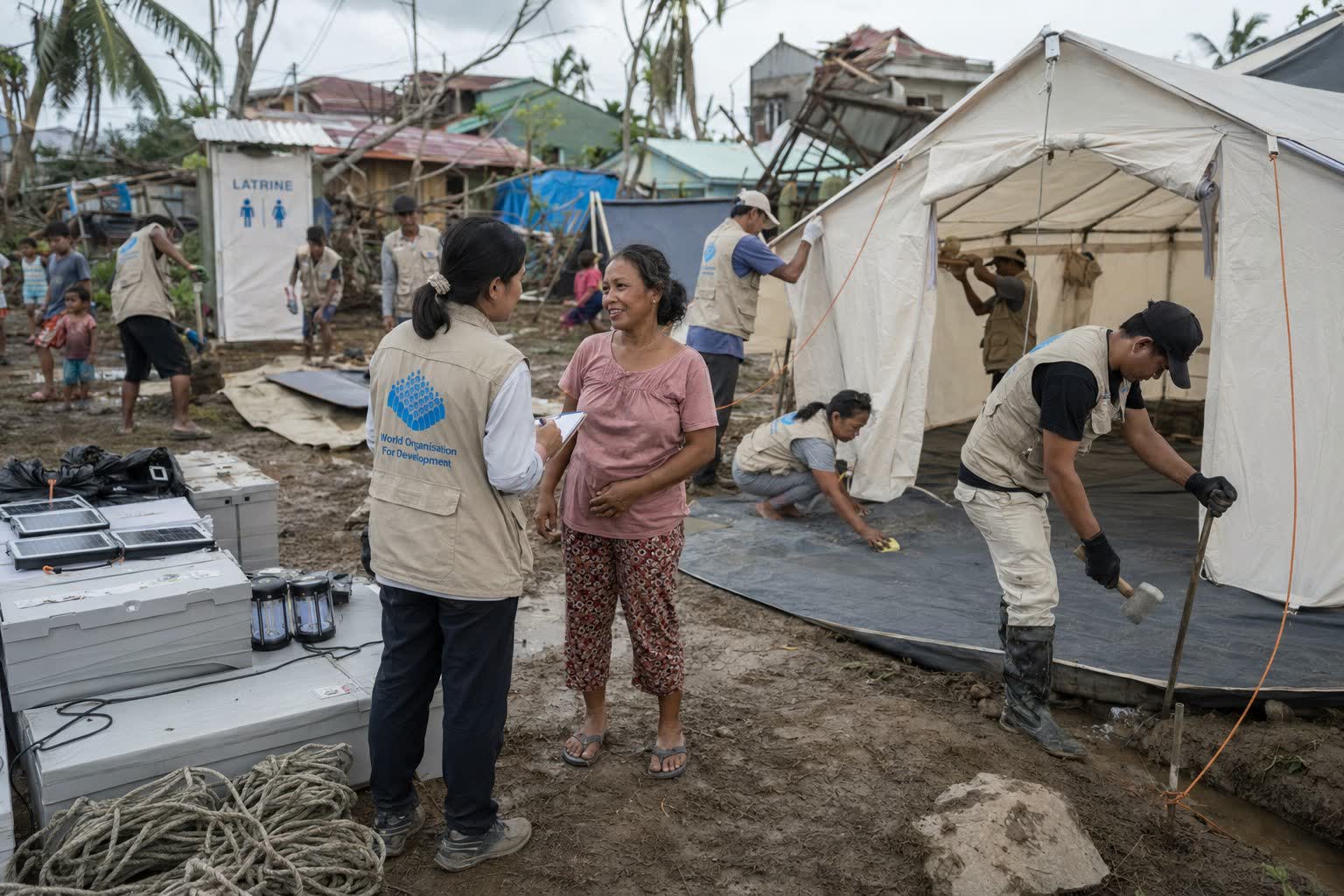
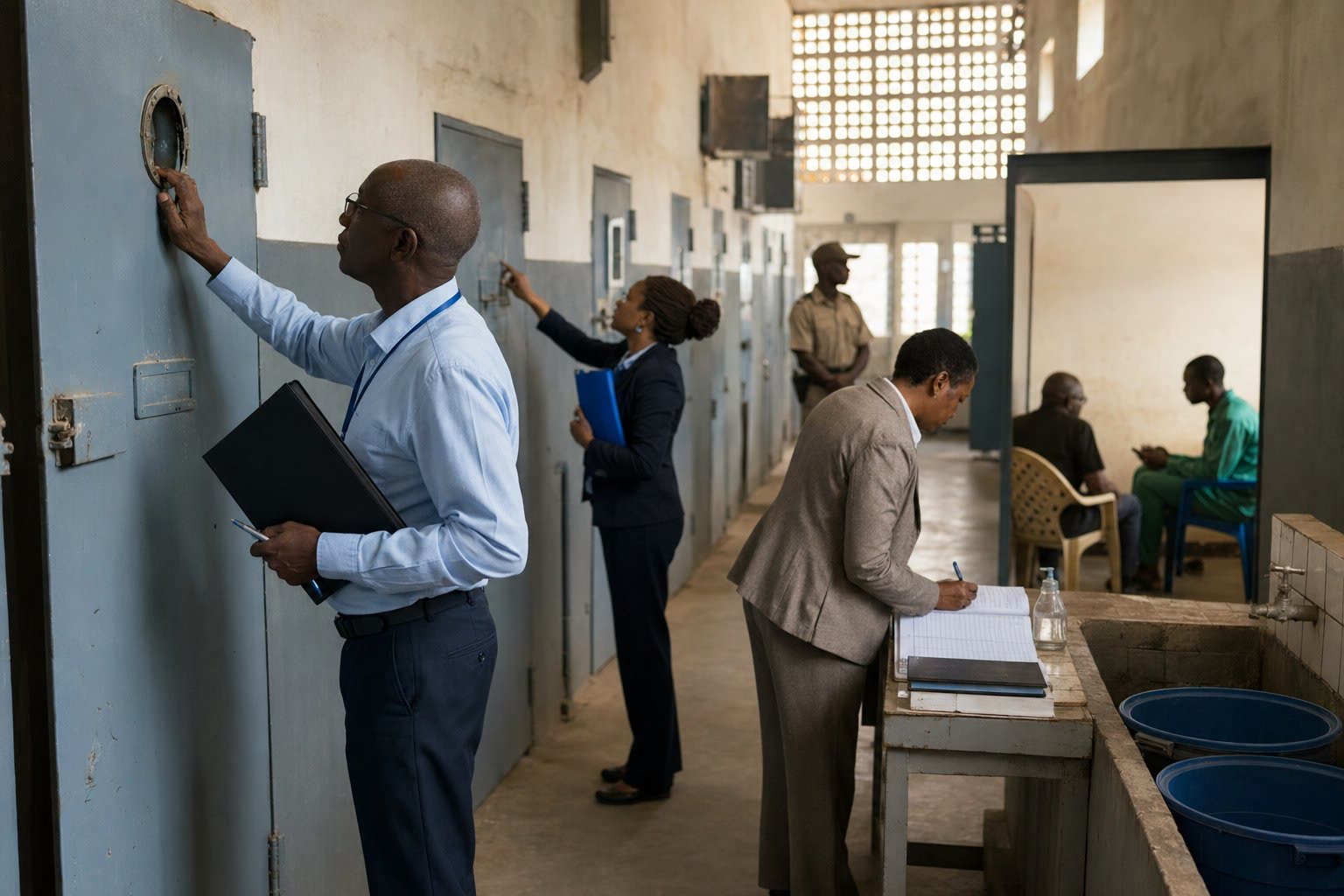
The AMD calls on States to provide consistent support for diplomatic efforts, to fulfil their obligations towards civilian populations and to facilitate humanitarian action. It also considers it necessary to better coordinate emergency responses with the restoration of essential services, institutions and livelihoods. People must be able to regain the conditions for an independent life.
The capacity to finance development entails an equally crucial responsibility.
Collective ambitions become difficult to achieve when countries lack predictable resources to invest in their priorities. The burden of debt, the conditions for accessing finance and the fragmentation of interventions can reduce the scope needed for sustainable policies.
The AMD supports a shift in the international financial architecture that takes better account of countries’ vulnerabilities and their long-term investment needs. Financial partners must strive for greater coherence in their interventions, facilitate access to resources and support national implementation capacities.
This requirement also applies to public authorities. The mobilisation of funding must be accompanied by rigorous management, transparency in its use and careful attention to its allocation. Development depends as much on the resources available as on the capacity to transform them into accessible services and sustainable economic opportunities.
Environmental and technological changes make these choices more complex.
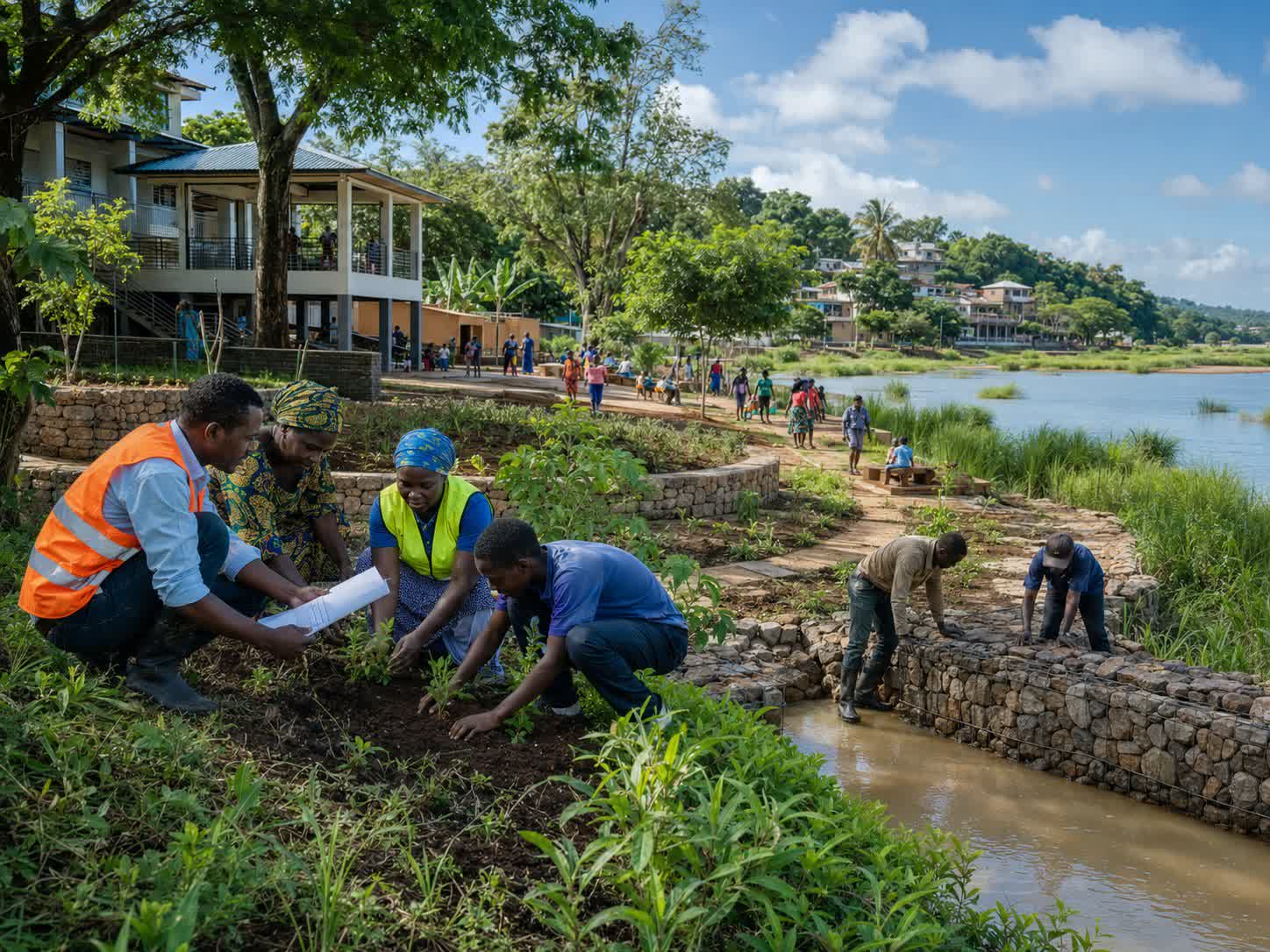
The climate transition must be managed whilst taking into account people’s living and working conditions. Protecting natural resources, adapting infrastructure and transforming energy systems requires support for the communities and workers affected. The countries most at risk must have access to resources tailored to their needs, without the response to environmental risks jeopardising the funding of their essential services.
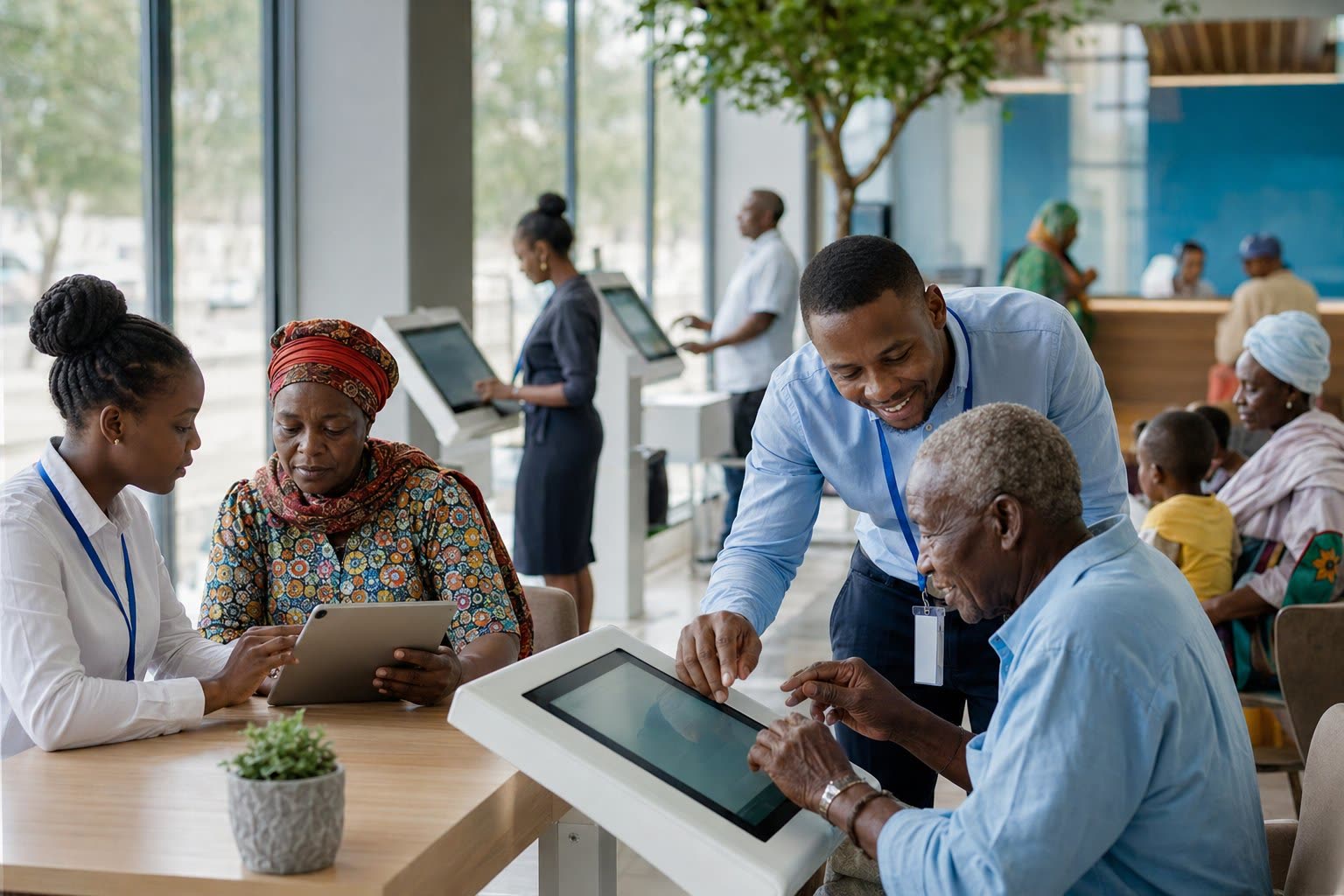
Artificial intelligence, for its part, opens up opportunities in education, health, research and public administration. However, access to these opportunities depends on infrastructure, skills and governance capacities. A deeply unequal distribution of these resources could widen development gaps.
International cooperation must therefore support training, access to technologies and countries’ capacity to manage their use. It must also contribute to the protection of rights and enable societies to participate in the decisions that shape these innovations.
Serving the interests of all means taking into account those who have fewer resources to ensure their priorities are recognised.
This requirement concerns the role of developing countries within international institutions, particularly that of Africa. It also concerns the participation of women, young people, people with disabilities and communities that are insufficiently involved in policy-making.
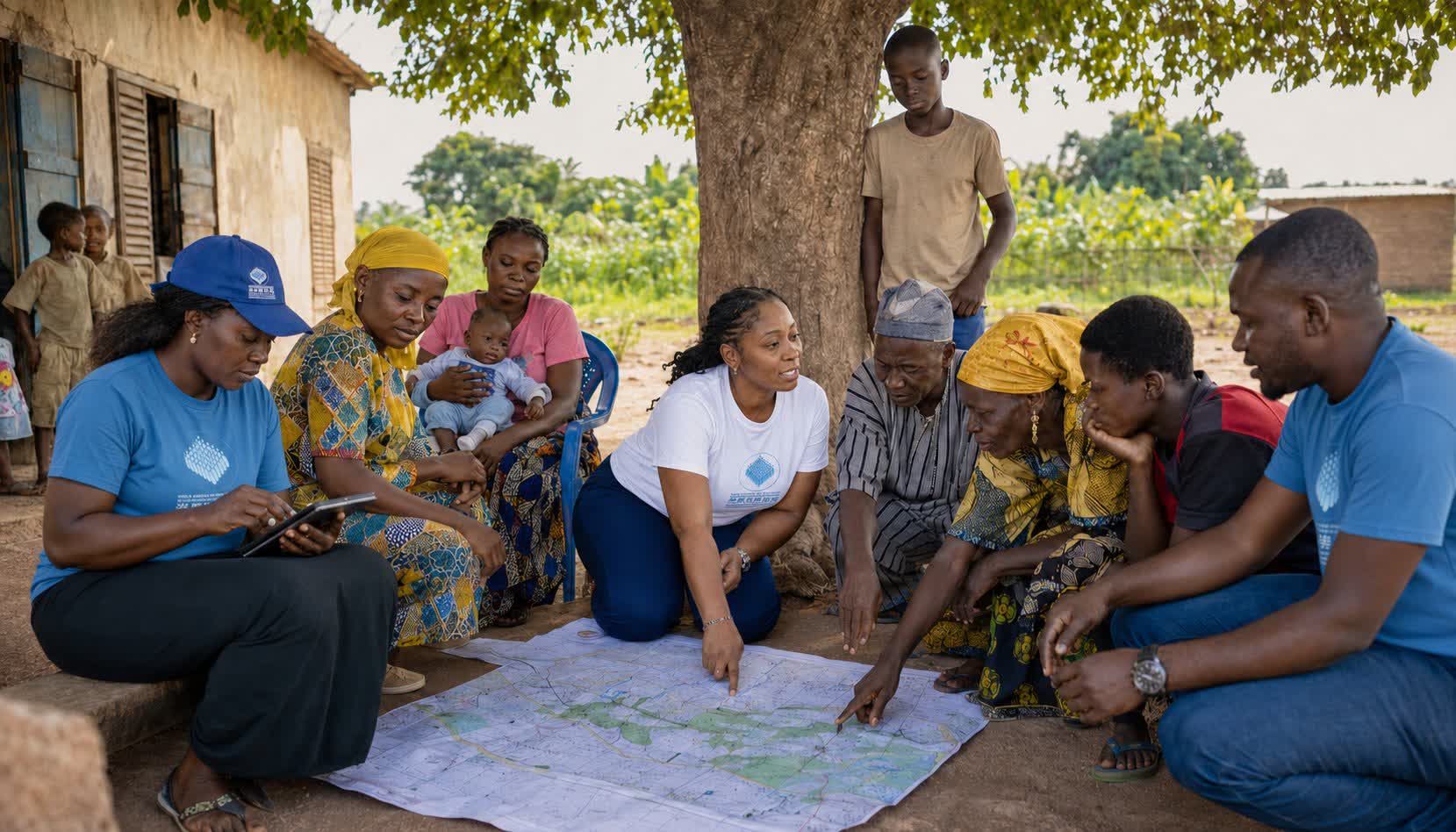
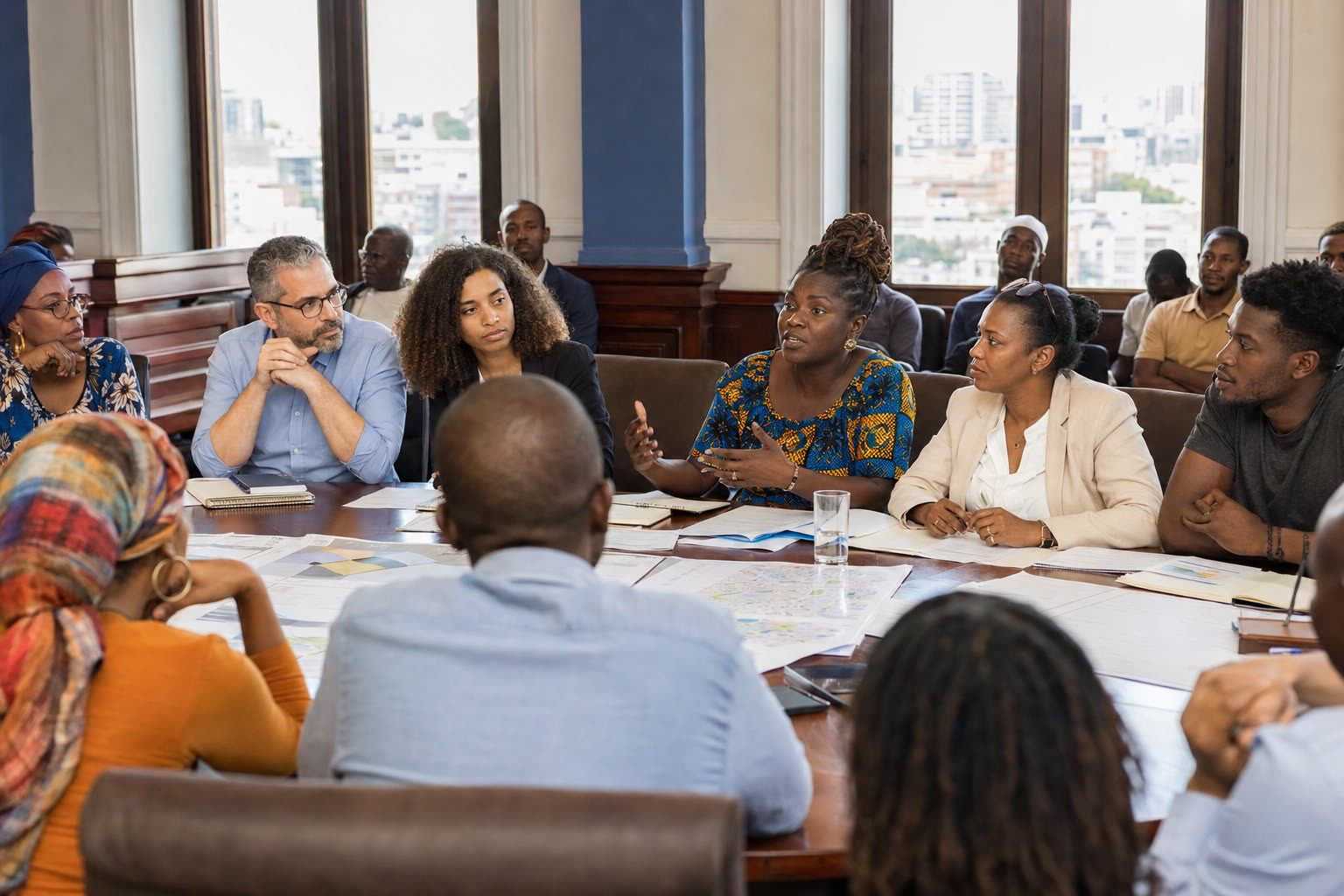
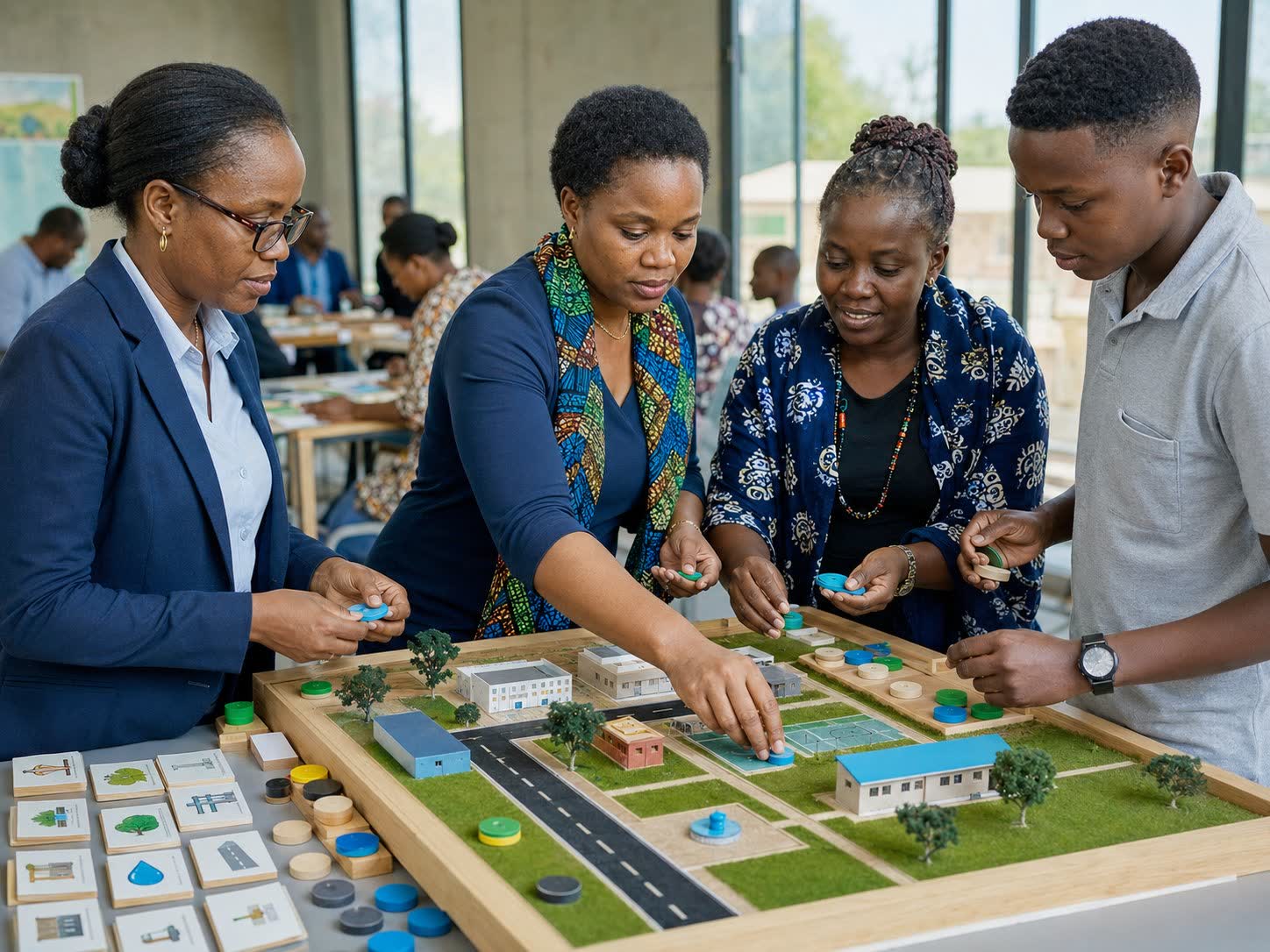
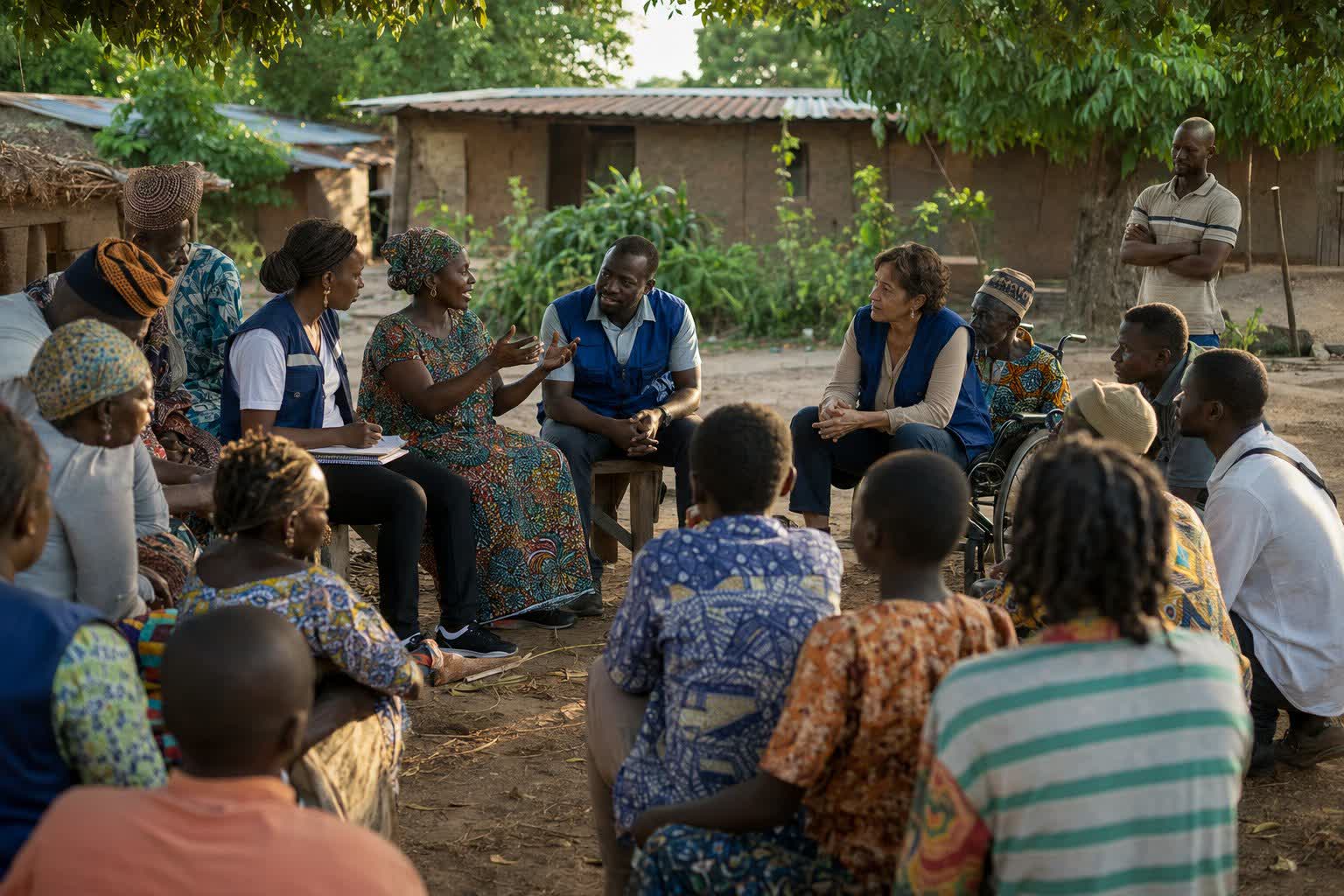
Local communities provide insight into the obstacles that determine the success or failure of interventions. Their participation must be able to influence the identification of needs, the methods of action and the assessment of results. This contribution improves the relevance of decisions and fosters ownership of them.
The reform of the multilateral system must be assessed in terms of the improvements it enables: fairer representation, better-defined responsibilities, more effective coordination and cooperation that is more accessible to the countries and actors that need it.
It is, however, important to recognise the specific responsibilities at each level of action. The United Nations depends on the will and support of its Member States. International institutions can support national policies without taking the place of the authorities responsible for implementing them. Civil society organisations contribute to collective action within the limits of their mandates and capacities.
Clarifying these responsibilities makes it possible to identify the means of action and the obligations of each party. This prevents shortcomings from being passed from one actor to another whilst needs remain unmet.
The World Association for Development intends to make its contribution to this effort to ensure coherence.
In line with its mission, it aims to promote understanding of international policy directions, link their implications to the needs of people, and help translate them into concrete actions within its areas of intervention. It aims to support dialogue between institutions and communities, capacity-building and the establishment of partnerships geared towards measurable and sustainable results.
The WDA calls on states, international institutions, financial partners, local authorities, economic actors and civil society to specify, for the commitments they have made, the implementation arrangements, the resources that can be mobilised and the monitoring mechanisms.
Such an approach should make it possible to assess progress, explain delays and adjust interventions where expected results are not achieved. Above all, it must ensure the continuity of action beyond international meetings and shifts in priorities.
The impact of this 81st session will be felt in the budgetary decisions, national policies, partnerships and initiatives that follow on from it. It is to this work that the AMD wishes to contribute, in the conviction that international cooperation must enhance people’s capacity to choose and shape their own future.
Ensuring that global commitments have the means to succeed means recognising the right of peoples to expect these commitments to have a tangible impact on their own lives.
In the context of the 81st session of the United Nations General Assembly
Hugues B. GNIMADI
Executive President
World Association for Development (AMD)
For the sustainable progress of peoples and communities